


What is an Extension?
-
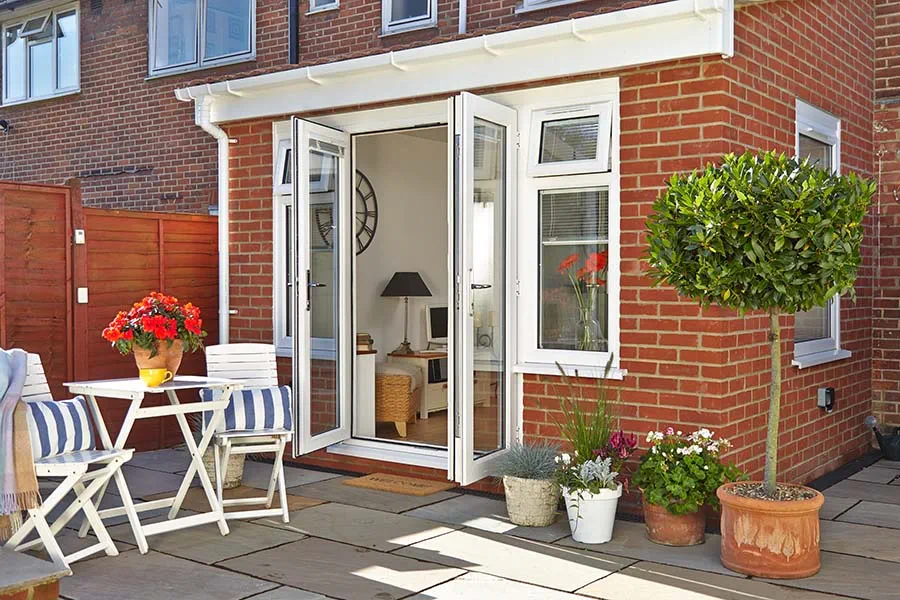
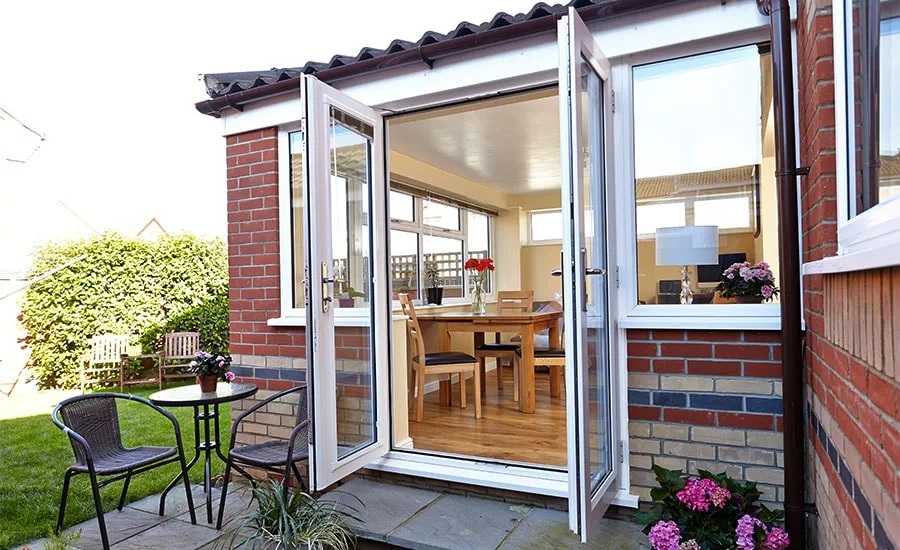
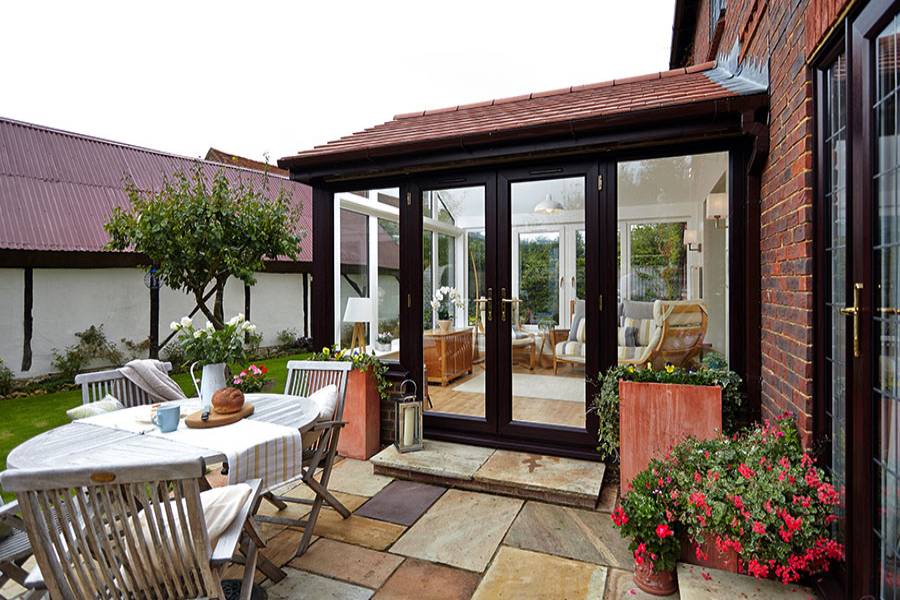
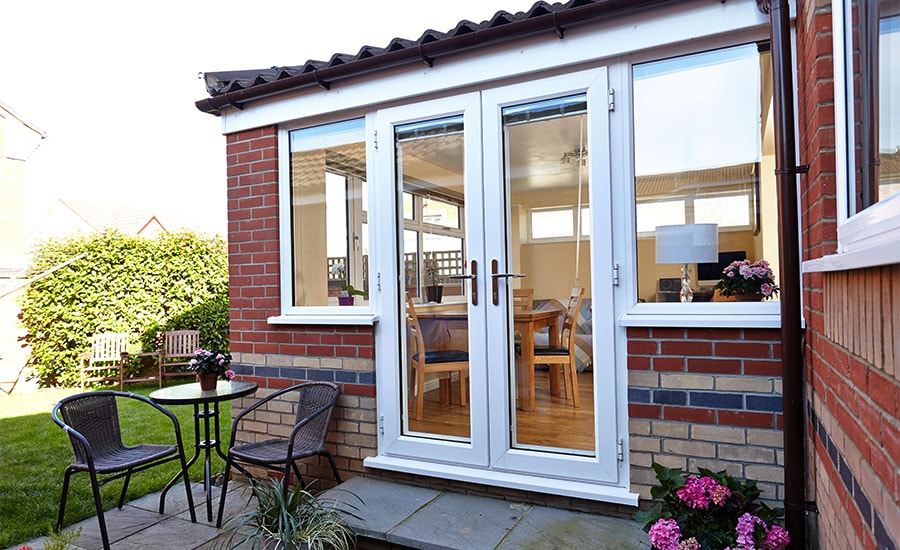
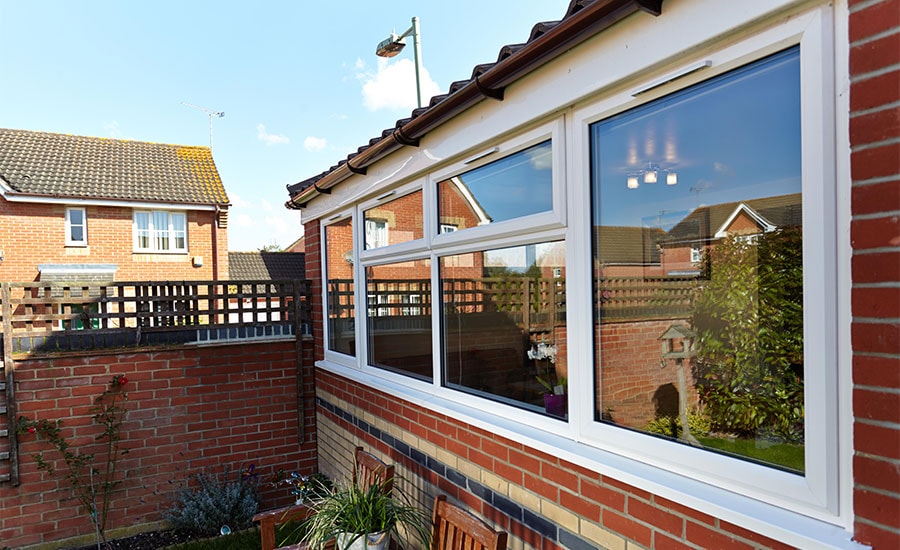
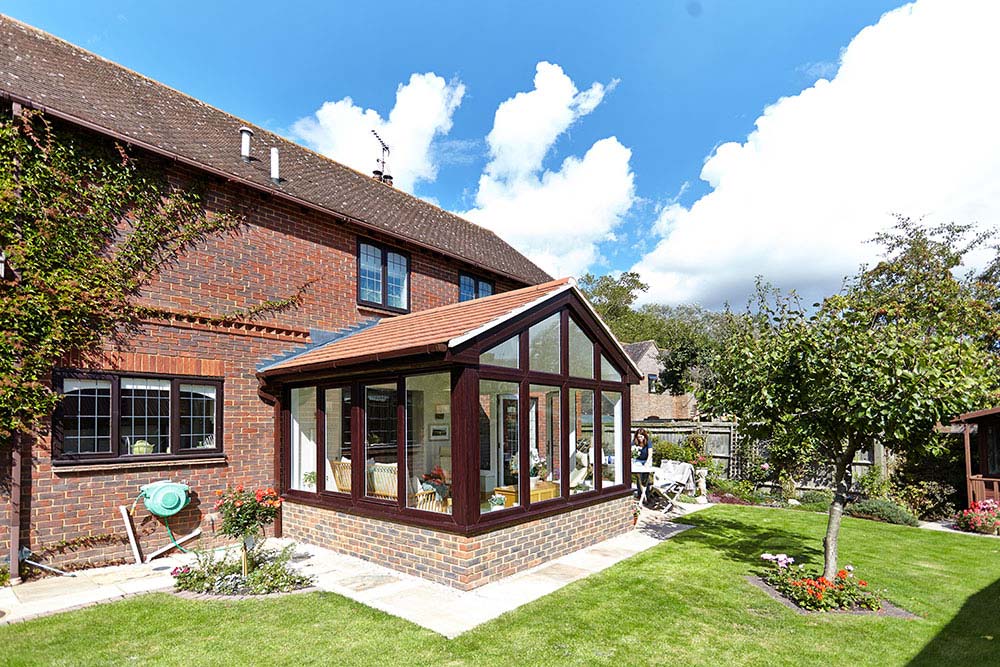
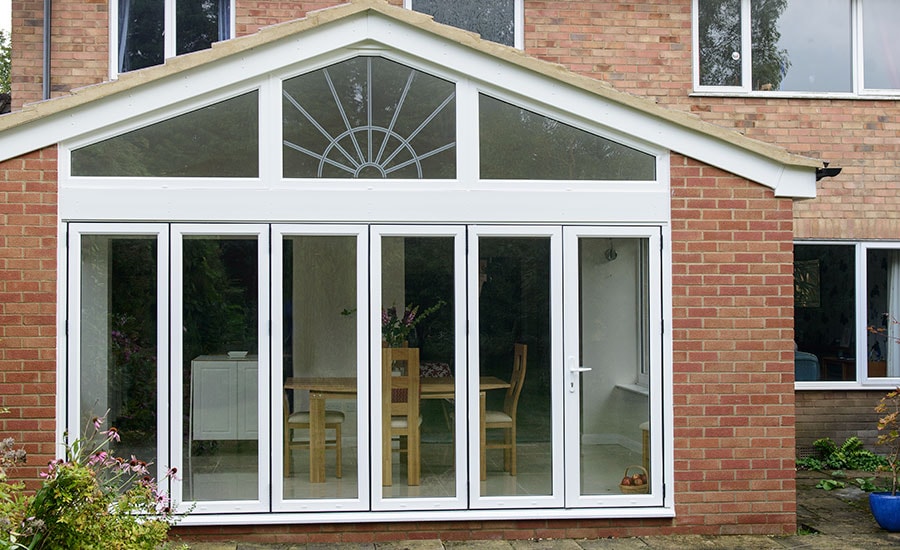
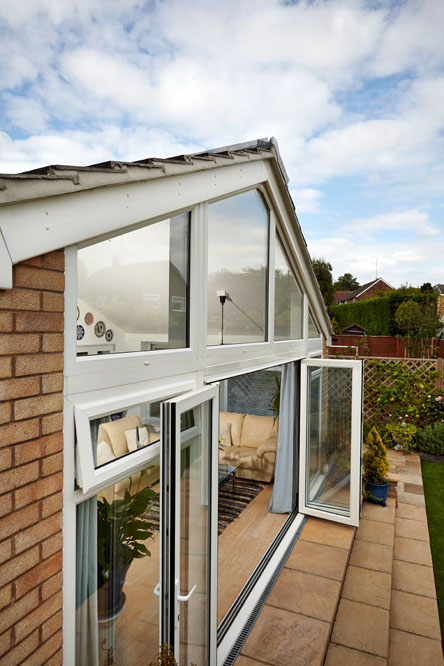
Solid roof extension with white uPVC French doors in open position -
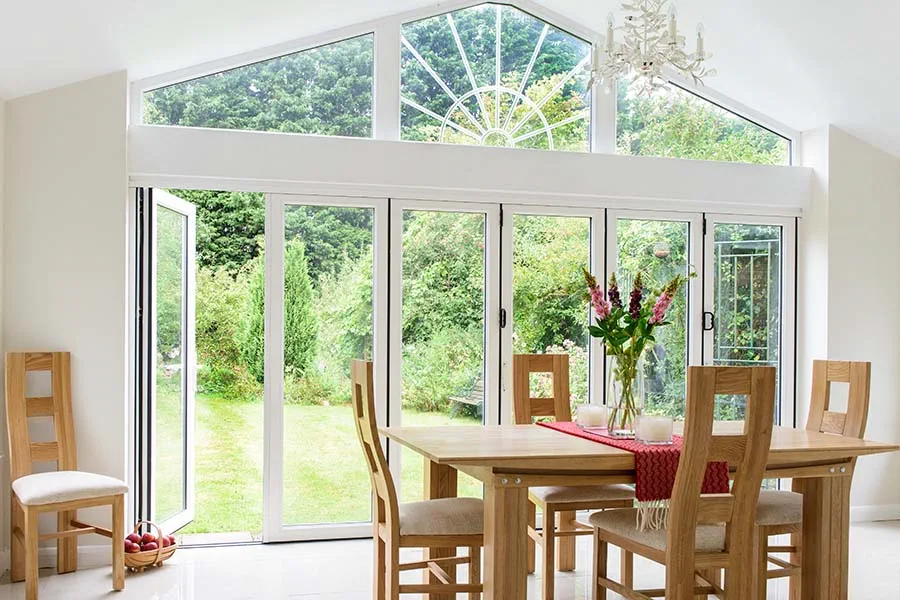
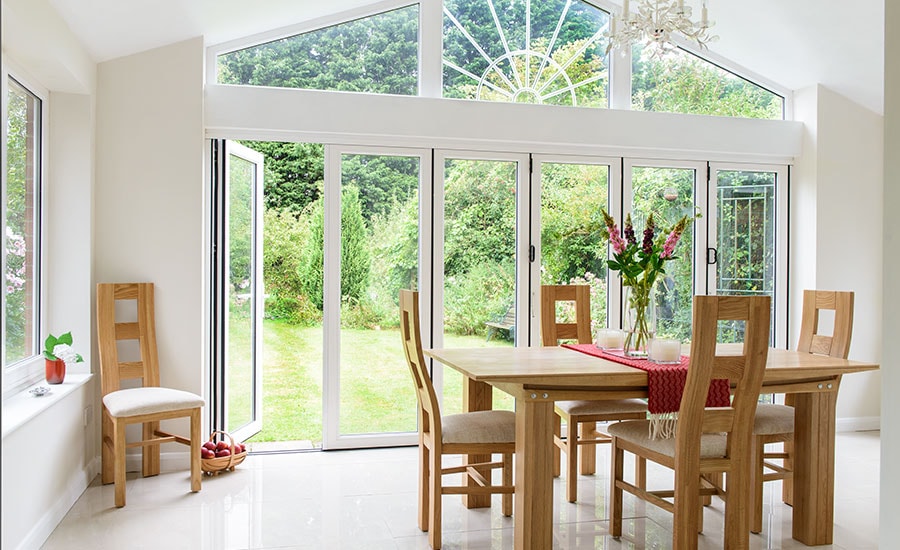
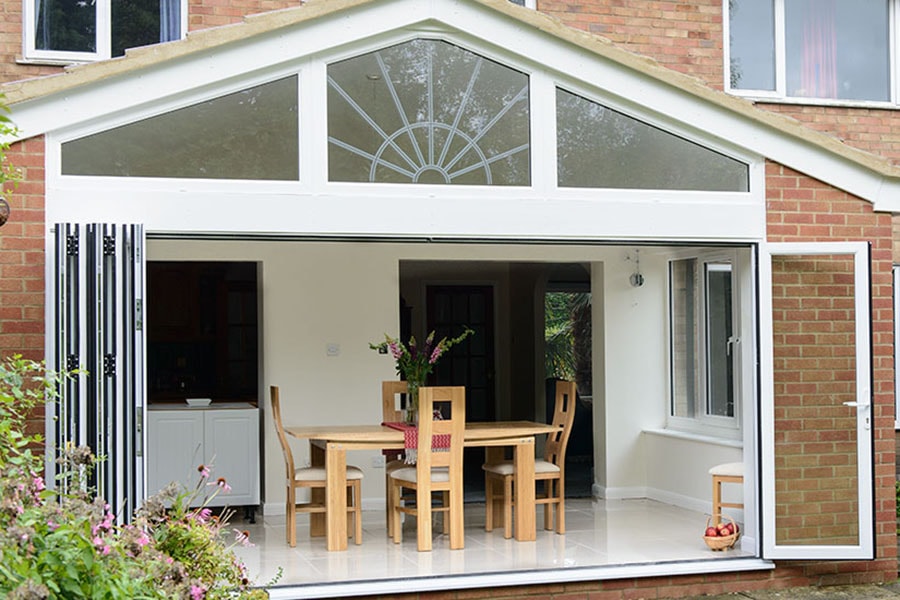
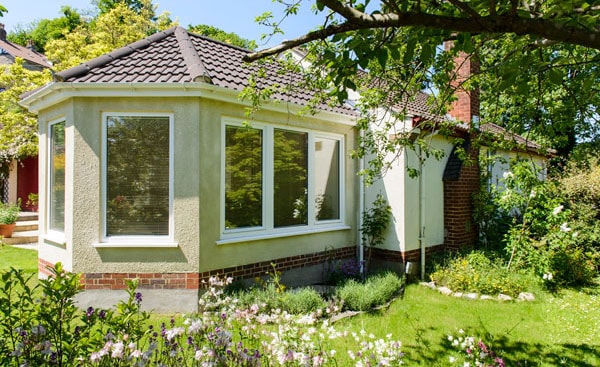
Single story extension with traditional tile roof and aluminium bifold doors -
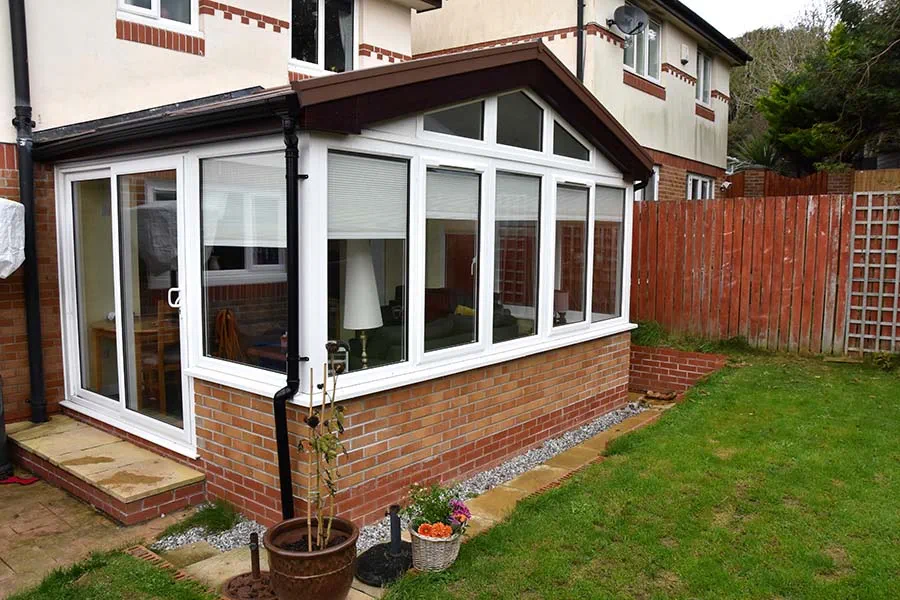
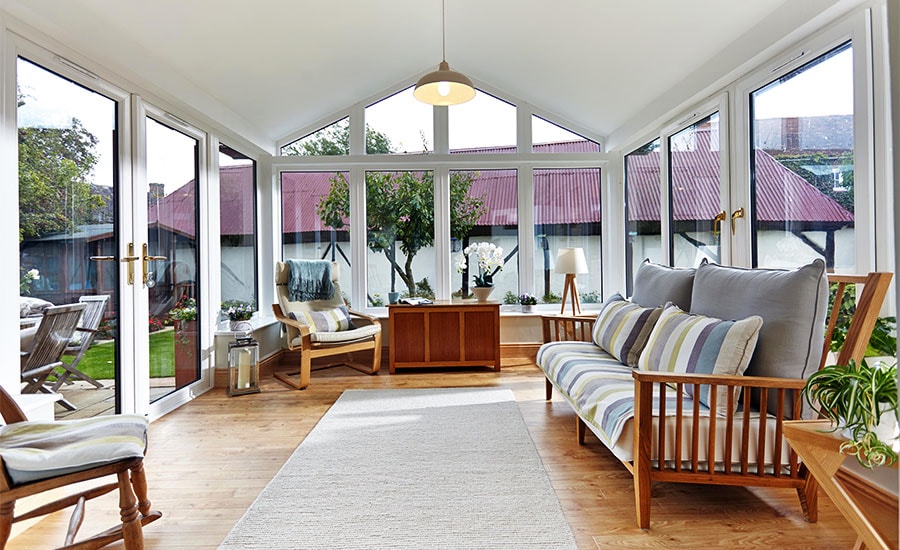
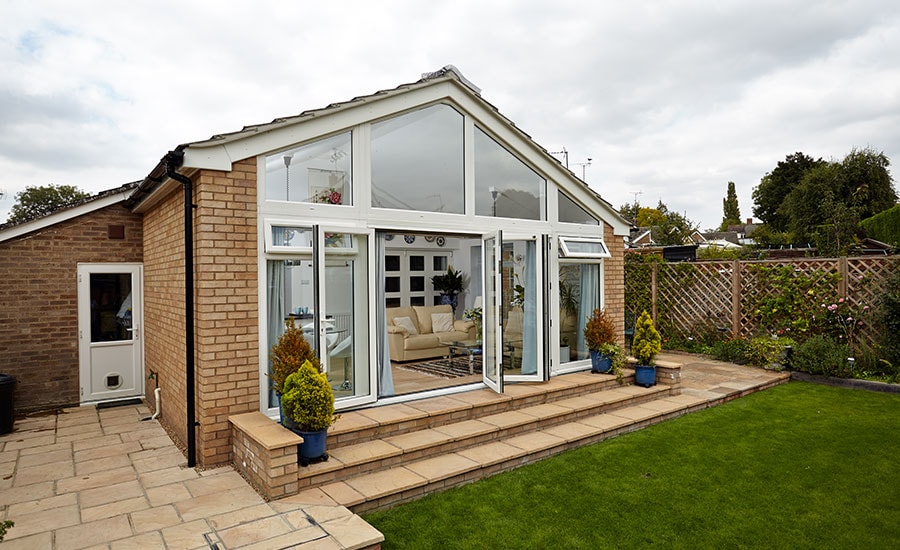
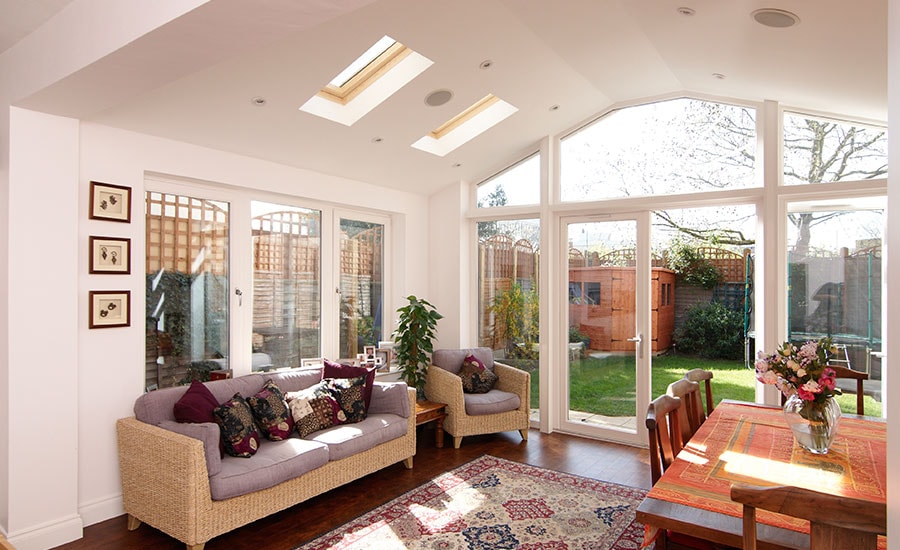
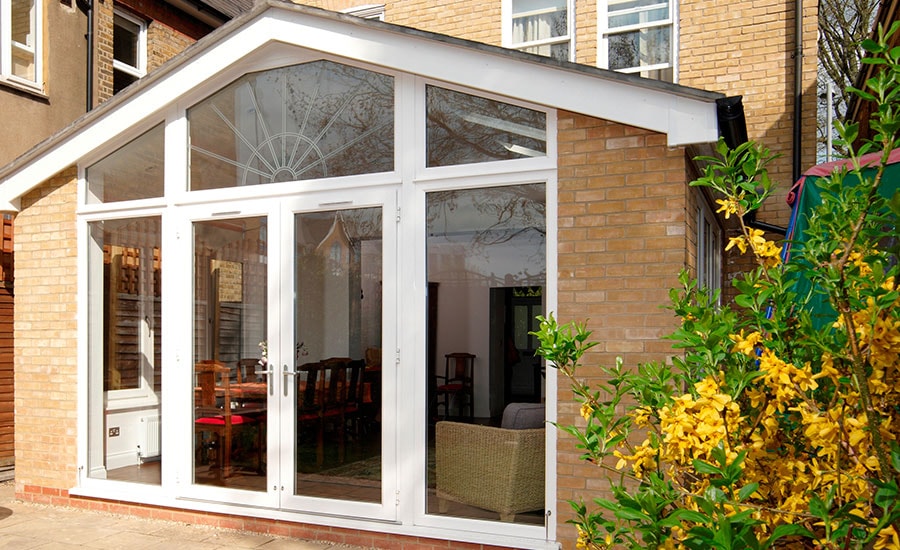
Gable end replica tile extension with French Doors -
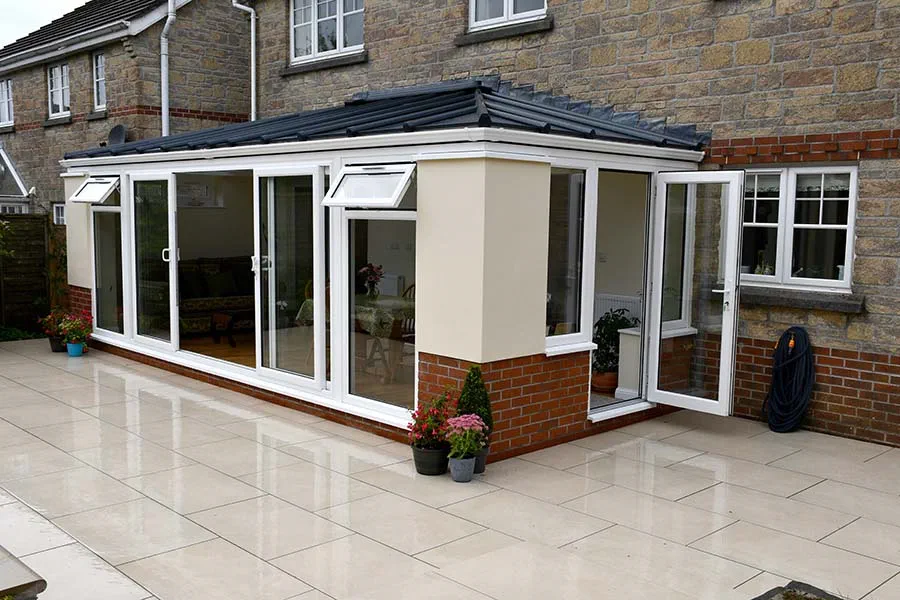
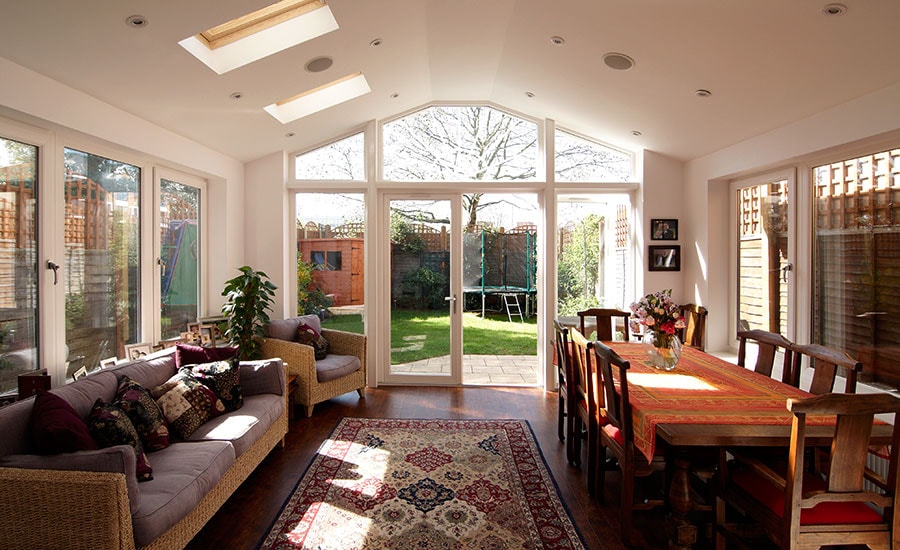
Solid panel roof extension with sliding patio doors -
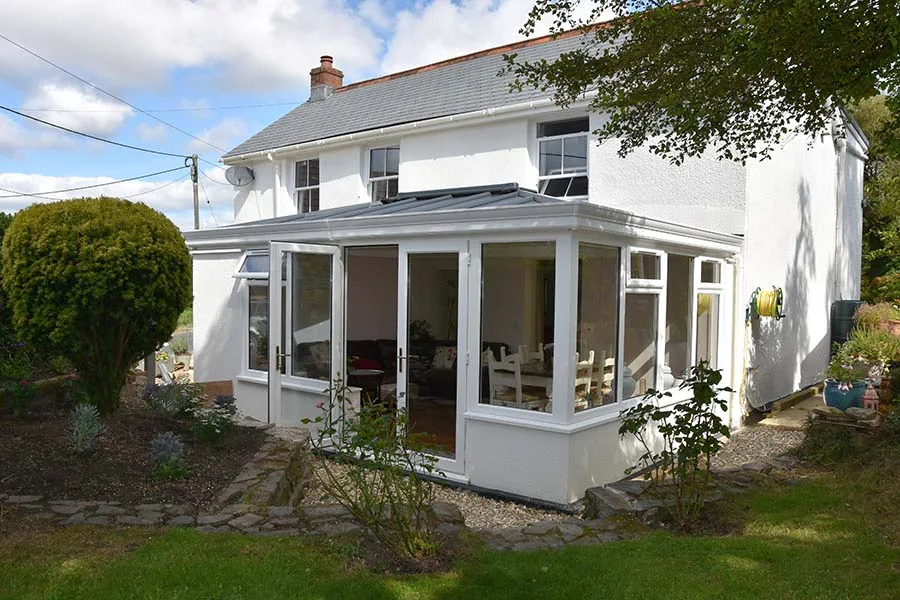
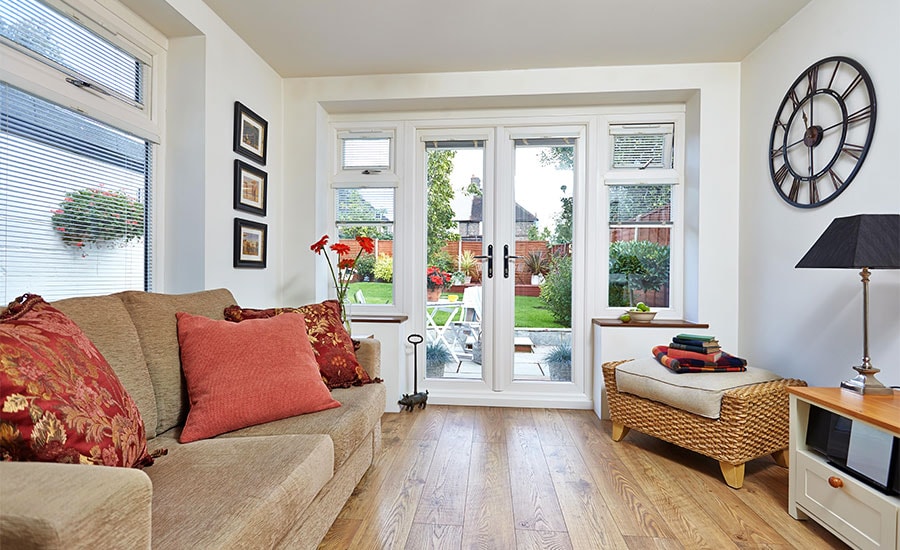
Solid panel roof extension with uPVC French doors -
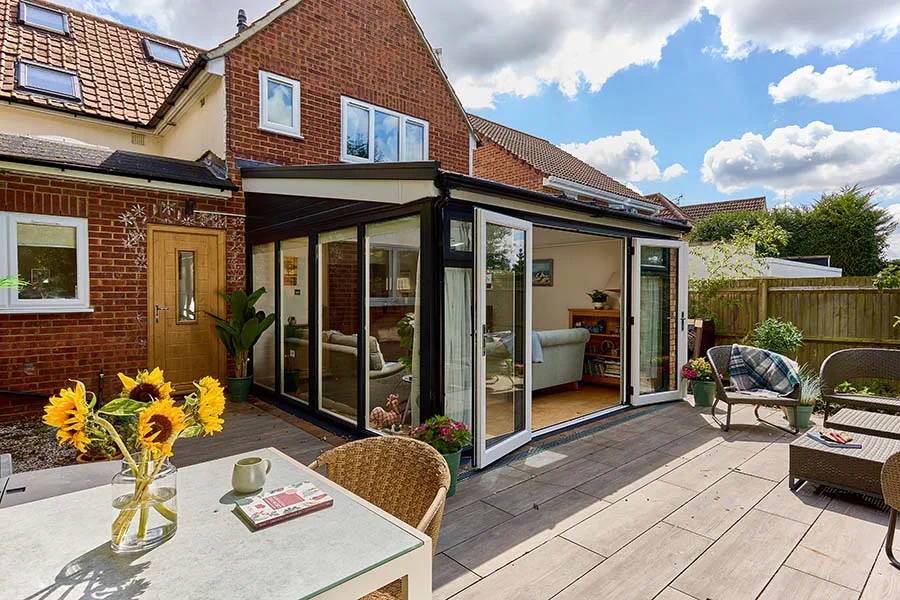
Dual anthracite grey extension with replica tile roof and French doors -
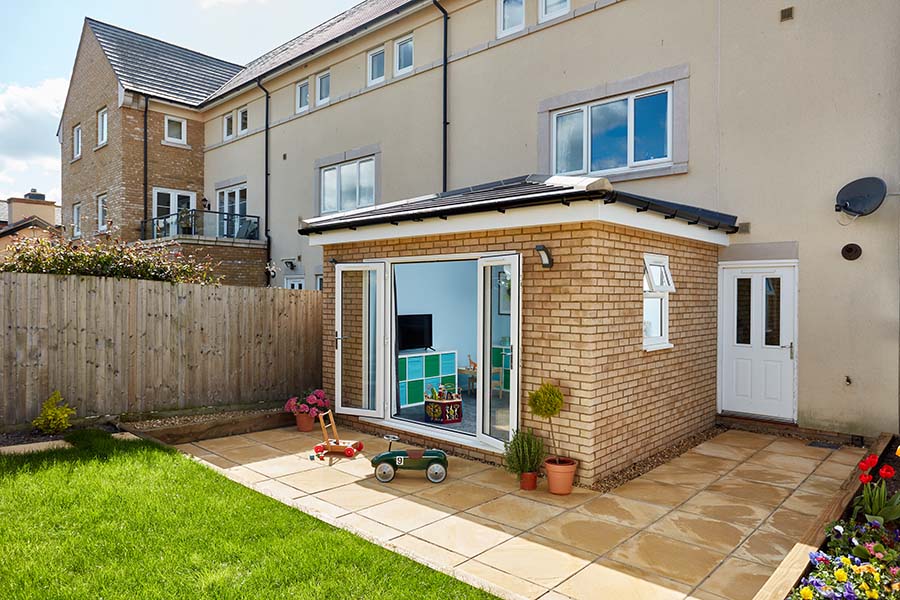
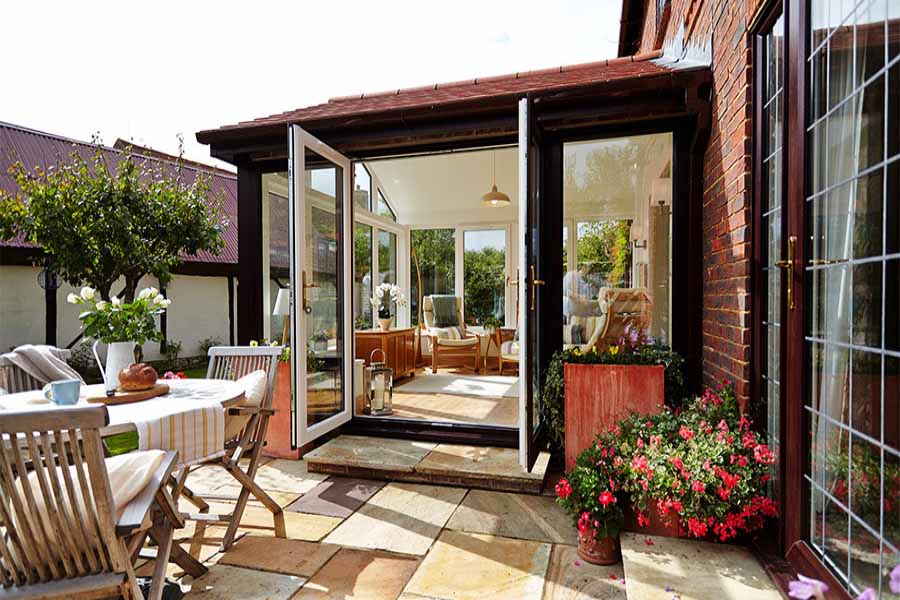
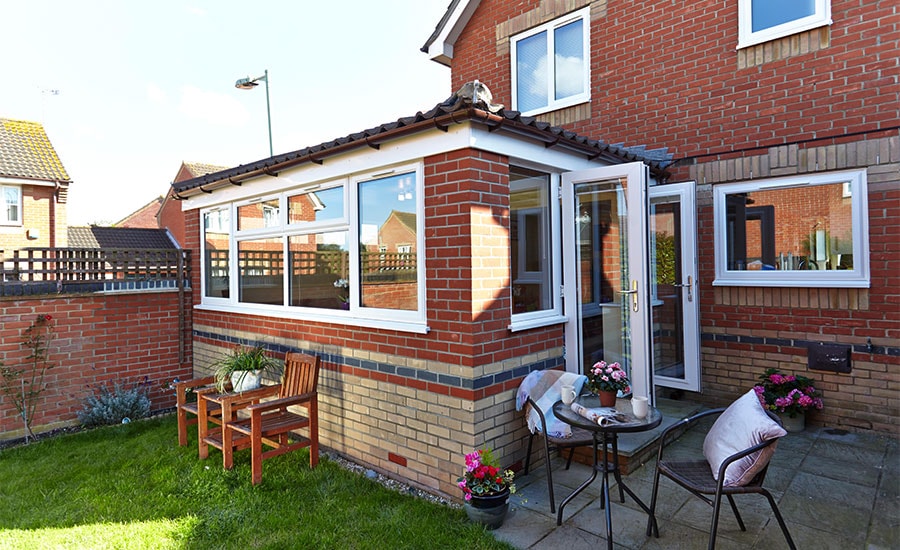
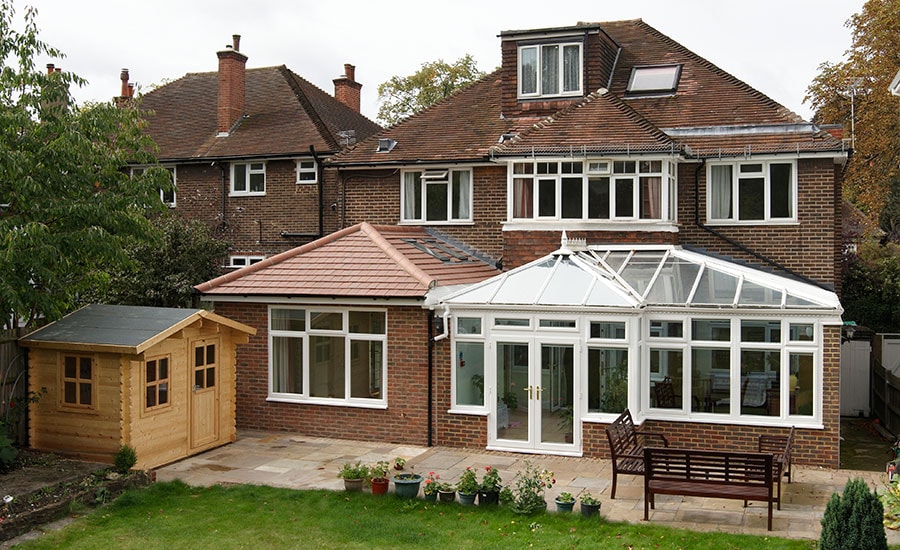
Traditional tiled extension with white uPVC French doors -
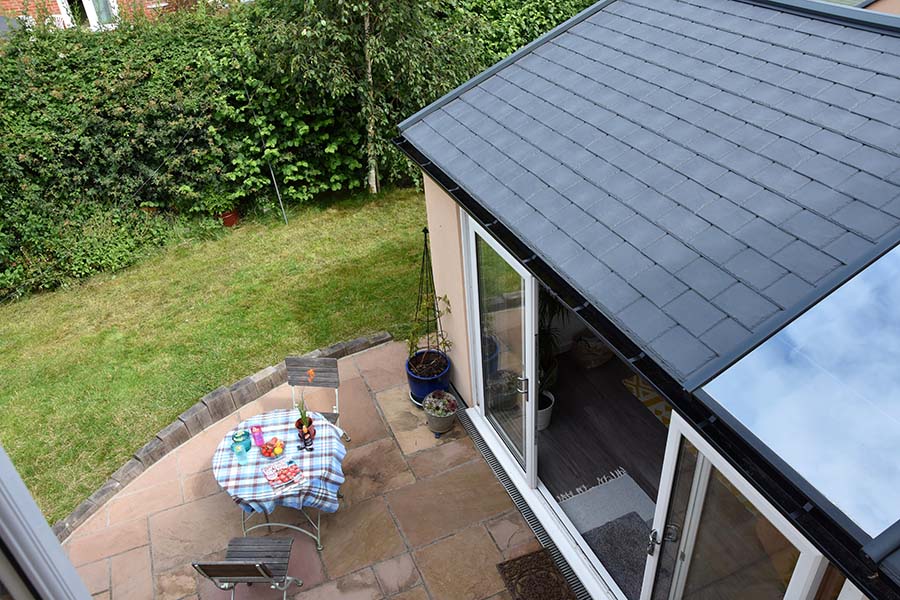
Replica tile extension conservatory with patio doors
A single storey extension is a solid-built extension attached to almost any part of the ground floor of your home. Every home extension is bespoke, creating a new space that seamlessly joins to the original house. Add extra space to an existing room or provide an entirely new room to your home.
Reasons to Choose a Single Storey Extension
-
Versatile Usable Space
Adding extra room can give your home a new lease of life. Use your extension to create a brand new space, enhance an existing one or even add multiple rooms.
-
Improved Home Layout
A new home extension can transform the flow and feel of your home. Join two awkward rooms together, add a ground floor toilet or enlarge a small kitchen. Make your home much more suited to your way of life.
-
More Natural Light
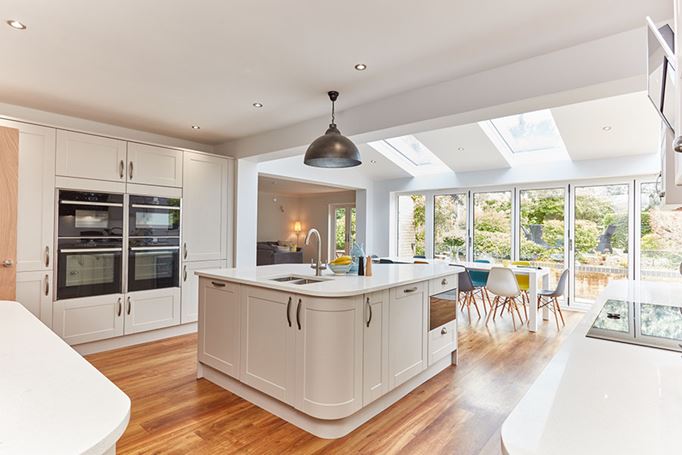
Dramatically improve how much natural light your home enjoys. Add roof lights, bifold doors or even full length windows to maximise light. More natural light makes a home feel brighter, more inviting and a more enjoyable place to live in.
-
Increased property value
More than a conservatory, a structural addition like a single storey extension can add considerable value to your property. Adding a new living room, extending a kitchen or even adding a bedroom can boost the value of your home.
-
Large Choice of Customisation
Single storey extensions are less likely to need planning permission than two storey extensions. This gives you huge amounts of design flexibility. Create something that blends in with your home, or design a new and bold addition that gives your home a new dimension.
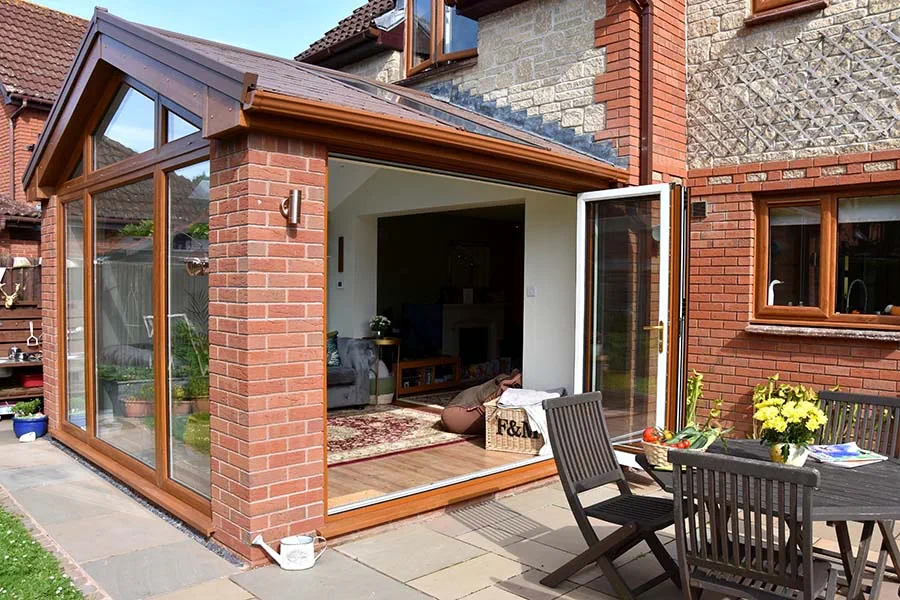

Types of House Extension
Your Anglian design consultant and surveyor will talk to you about the best way to extend your home. They consider structural points, such as groundwork, drainage, electrics, plumbing, and building regulations. All our extensions are bespoke, so if you can imagine it, we can create it.
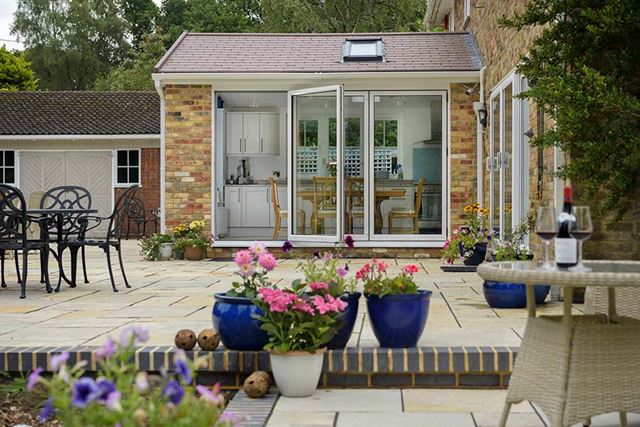
Rear Extension
A single-storey rear extension creates more space at the back of your home. They are ideal for creating a kitchen-diner or garden room. Add bifold doors to create a seamless transition between your home and garden.
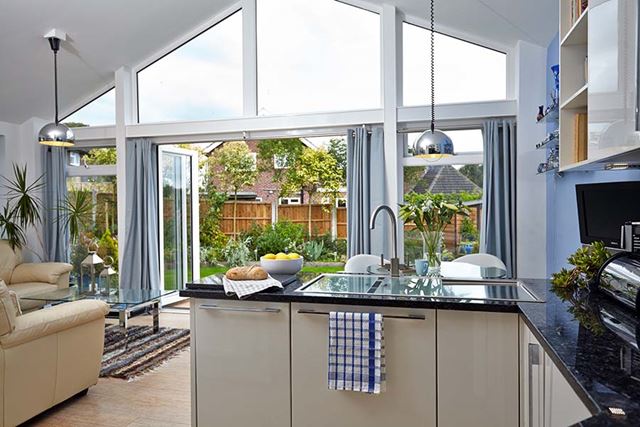
Side Extension
Side extensions are a way to make the most of unused space at the side of your home. Enlarge your kitchen or add a convenient utility room. Make your space lighter and brighter with roof windows or French doors.
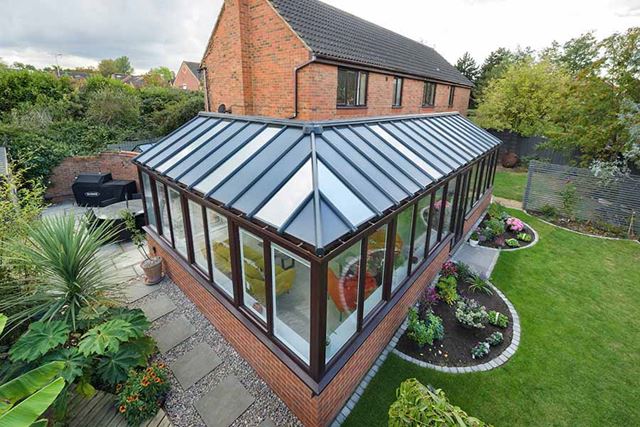
Wraparound Extension
As the name suggests, a wraparound home extension wraps around the side and back of your property. You can add a new room or link rooms together to create a new indoor-outdoor space to use throughout the seasons.
Planning Permission for Home Extensions
Single storey house extensions are often classed as a ‘permitted development’. Permitted developments don’t need permission and their rules defined by your local authority. These rules can include not being within two metres of a boundary and the total area of the extension not exceeding half the size of the original house.
Our article on planning permission for conservatories and extensions is a useful guide to planning rules. However, it is always best to check with your local authority. When you choose Anglian for your project, we make things easier for you, taking care of the whole process, including any potential planning applications.
Over 24,000 5-Star Reviews

Choose Anglian for a National Company Local to you

10-year Guarantee
A 10-year parts and labour guarantee is included in your Anglian double glazing price.

Made in Britain
Our products are made from start to finish in a British factory by skilled craftspeople.

The Nation’s Favourite
Anglian stands proudly as the UK's Number 1 home improvement provider.
House Extension Roof Types
Complete the look of your house extension with your choice of roof, from beautiful tiling to solid panels. You can create a contemporary or more traditional feel to perfectly suit your home.
Replica Tiles
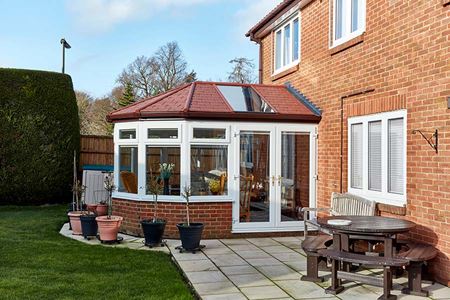
Choose a replica tiled roof for your new house extension or as an upgrade for your existing Anglian conservatory. Replica tiles are our most affordable extension roof option. Because they’re lightweight, they are ideal for home extensions with more windows than wall supports.
Real Tiles
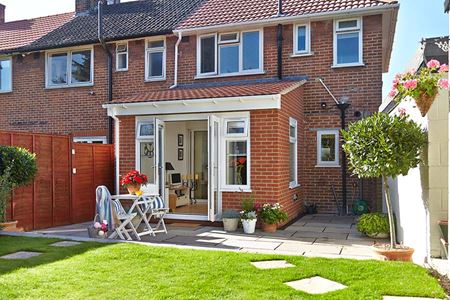
An extension with real tiles is only available for new home extensions. You can choose from six different tile colours, from soft to bold hues. They include Anthracite, Antique Brown, Mosborough Red, Old English Dark Red, Smooth Brown, and Smooth Grey.
Solid Roof Panels
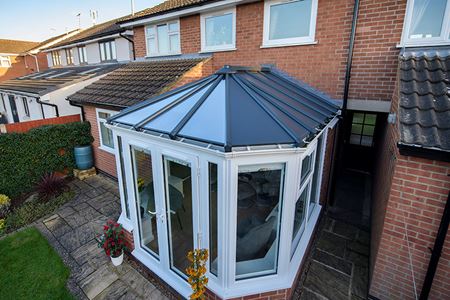
You can use solid roof panels on a new house extension. They are also an option for an existing Anglian conservatory. You can choose a complete solid panel roof or a combination of solid and roof glazing panels.
Modern or Traditional House Extensions
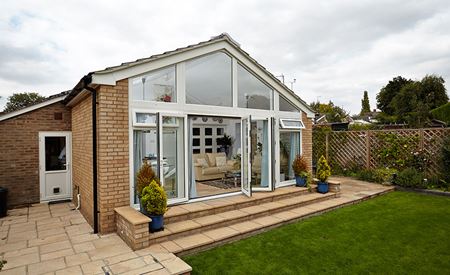
Traditional Home Extensions
A traditional home extension makes use of brick for that classic look, seamlessly blending with your home and its style. A traditional brick extension can include all sorts of window shapes and sizes, as well as doors that lead out to your garden, creating a space that links indoors and outdoors but stays usable throughout the year.
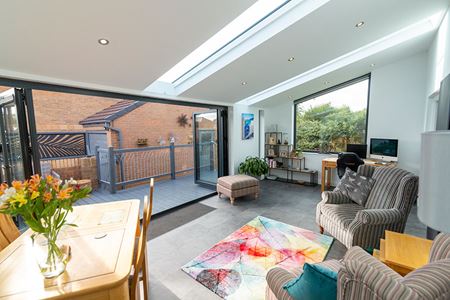
Modern Prefabricated Extensions
Transform your home with a more contemporary look with our CosyRoom prefab extensions. This style of house extension makes use of insulated, interlocking wall panels instead of bricks, providing great thermal efficiency and a more lightweight construction. This system can also make use of existing foundations, perfect when you want to replace a conservatory with an extension.
House Extension Gallery
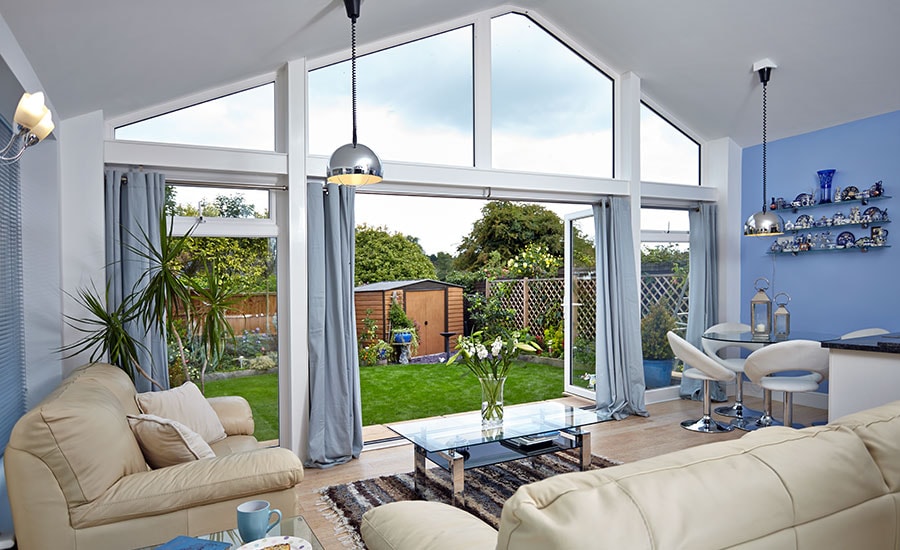
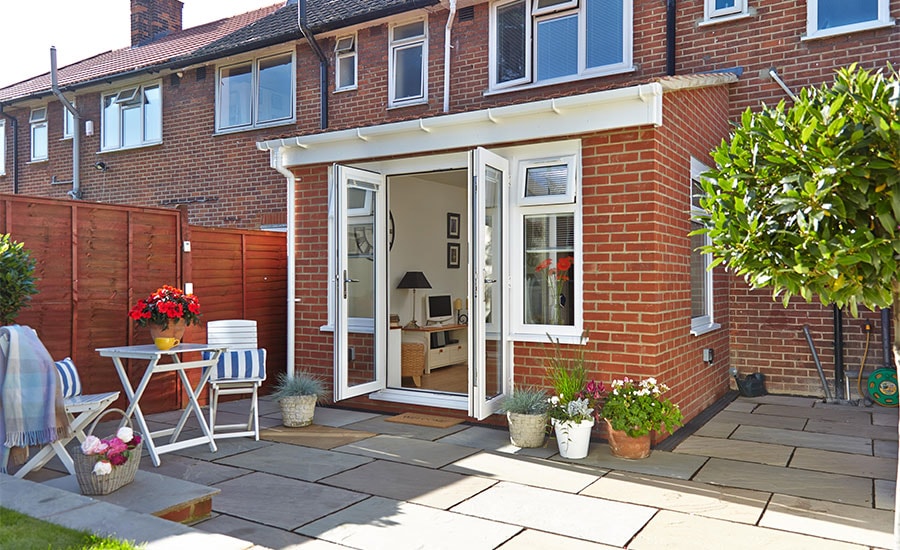
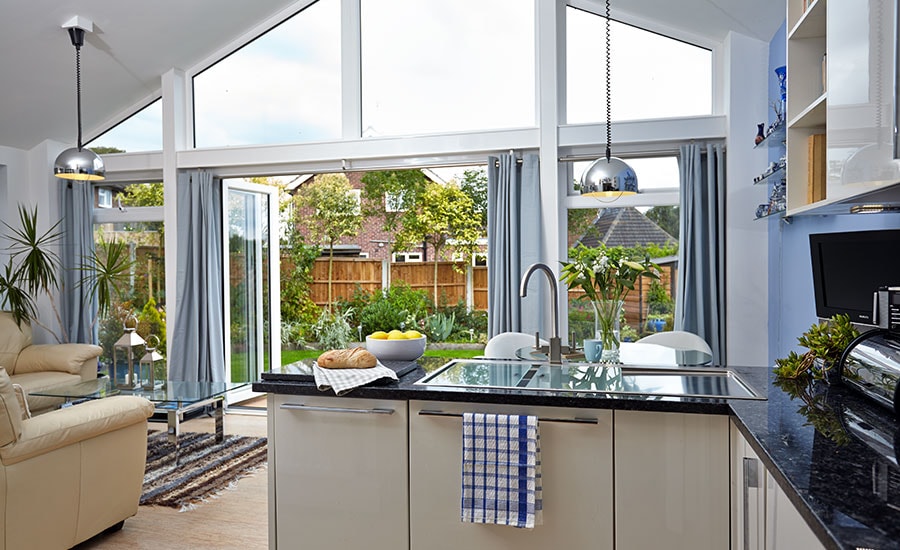
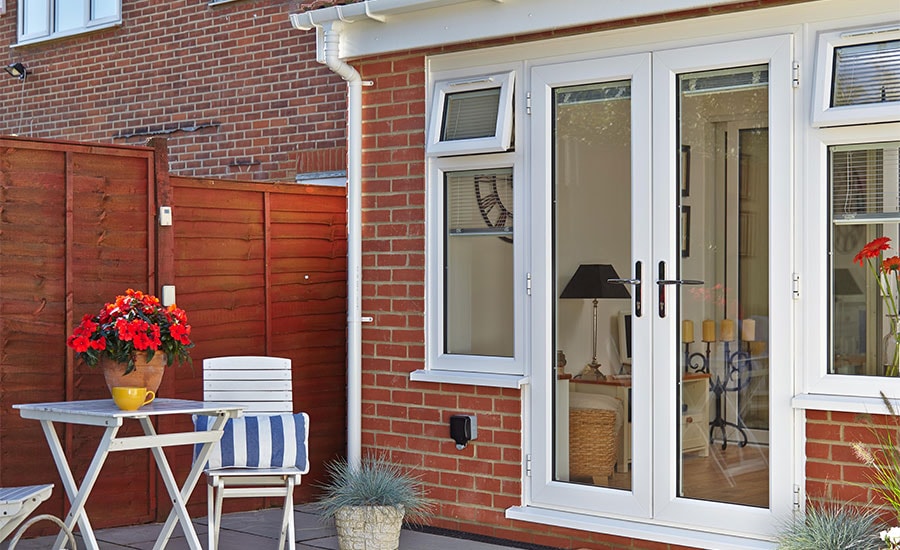

Live Chat Now
Live chat with our friendly British based experts, or book an appointment, 24hrs a day.
Learn More about Edwardian Conservatories
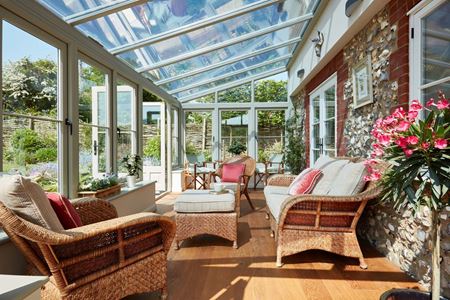
How much does a conservatory cost?
It's the question on everybody's minds – just how much is a conservatory going to cost? In this guide, we break down what can affect the cost and how Anglian make it more affordable.
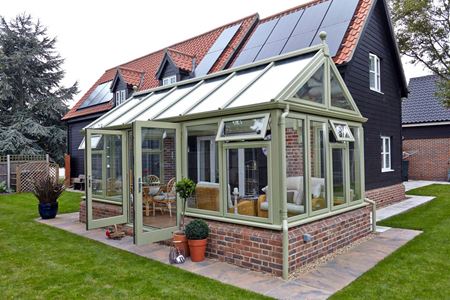
Things to look for in a conservatory supplier
With so many suppliers out there, it can be tricky knowing where to turn. We'll give you a few pointers on how to separate the cowboys from the real deal.
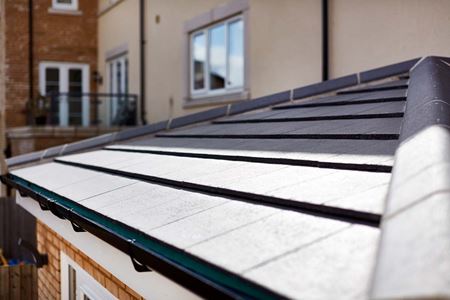
Choosing your conservatory roof style
Whether you're replacing your existing conservatory roof or starting from scratch, we've got you covered with our range of thermally-efficient conservatory roofing options.
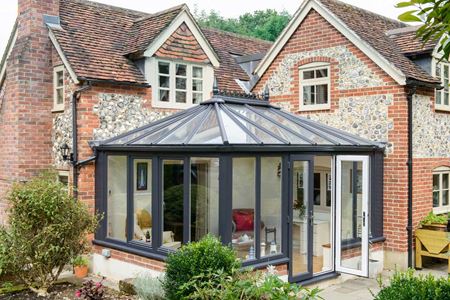
Choosing your conservatory shape
Getting the right shape to your conservatory so that it matches your home is more important than you think - it'll make it more usable and can help add value to your home.
House Extensions FAQs
Your questions on house extensions answered by us.
Currently, an extension on a terraced or semi-detached house can project up to six metres from your home. For a detached house, it’s up to eight metres. An extension should not take up more than half of your land or be taller than your current roof. Our surveyor will confirm if the project needs planning permission, but if it does, we will take care of it all for you.
A home extension is one of the best ways to increase the value of your home. How much value it could add depends on size, position, and its use. A single-storey extension is a popular way to increase the size of a kitchen or add a reception room. It could add between 10% and 20% to the value of a property.
The cost of adding an extension to your home will depend on a few factors, including how large it is, the materials used, and any special details or features. Naturally, a larger extension using high-quality materials will generally cost more. With Anglian, we can provide a free, no-obligation quote based on your plans and your home.
Depending on your home and your kitchen position, there are many ways to extend. Victorian terraces often have a narrow galley kitchen at the back with a small courtyard next to it. Many people choose to extend their terraced kitchen by adding a side extension or a wraparound extension. To expand your kitchen in a 1930s semi-detached house, add a single-storey extension with large patio doors at the back.
You don't have to hire an architect to build a home extension, but if it’s a big project, it can help. Architects provide plans and guidance for homeowners and the builder you hire. Some building firms offer this too, but for more complex builds, it's a good idea to find an architect.
The 50% rule refers to planning restrictions for home extensions. Most local councils in the UK use this rule to limit the size of extensions to less than 50% of the original area of a property. If this 50% margin is exceeded, planning permission must be sought.
Explore Similar Products
Home Improvement Provider
Our Accreditations and Licenses
-
 Sets standards that ensure our products and services meet customers’ requirements.
 -
 For materials used and water resistance on all sealed units.
 -
 For impact resistance and glass fragmentation on safety glass.
 -

-
 The British Board of Agrement provides certification on the quality of our products.
 -
 Independent service that deals with disputes between registered businesses and consumers.
 -
 Certifies products made from start to finish in a British factory by British craftspeople.
 -
 TrustMark is a government endorsed not-for-profit organisation that operates through more than 30 scheme operators.
 -

-
 PVC Industry initiative to improve manufacturing, minimise emissions and develop recycling practices
 -
 MyGlazing.com provides free, independent advice on all your glazing needs.