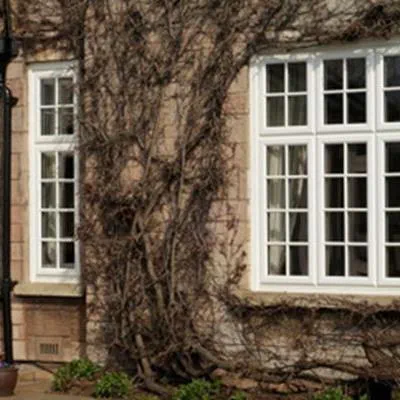
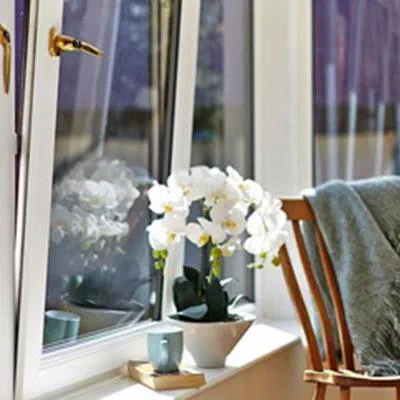
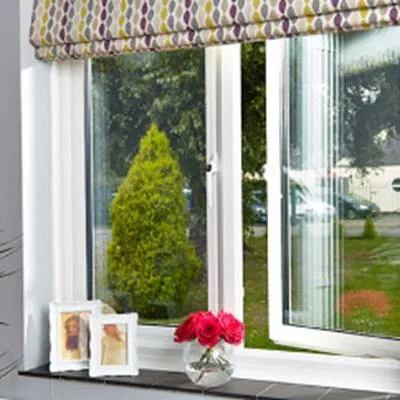
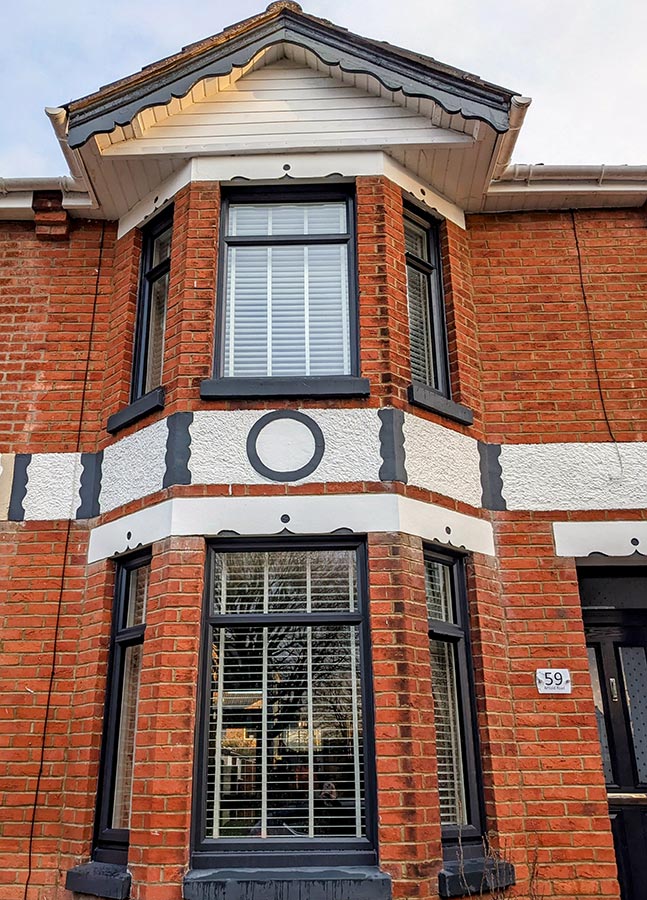
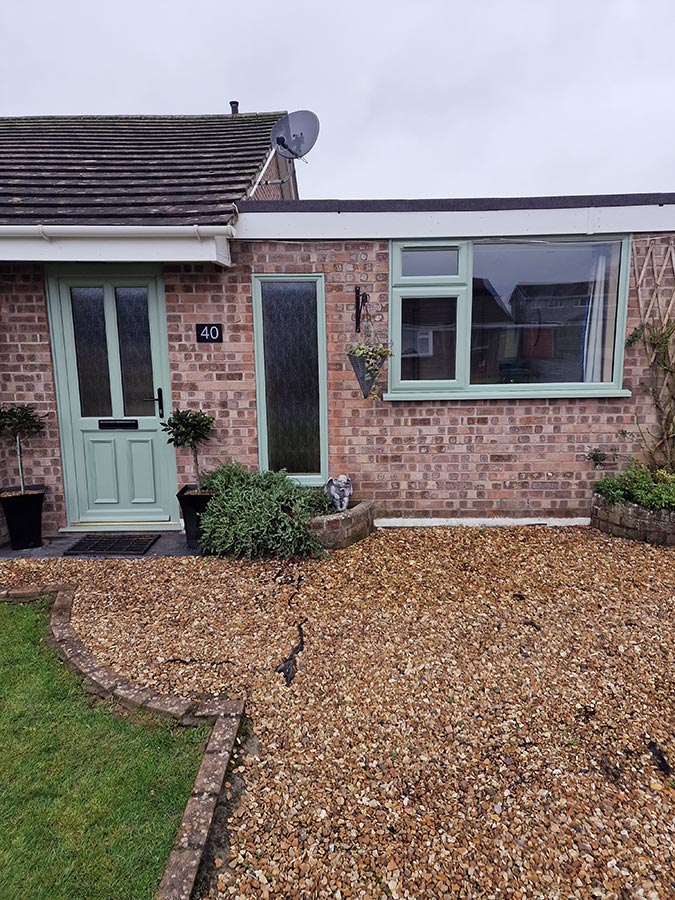
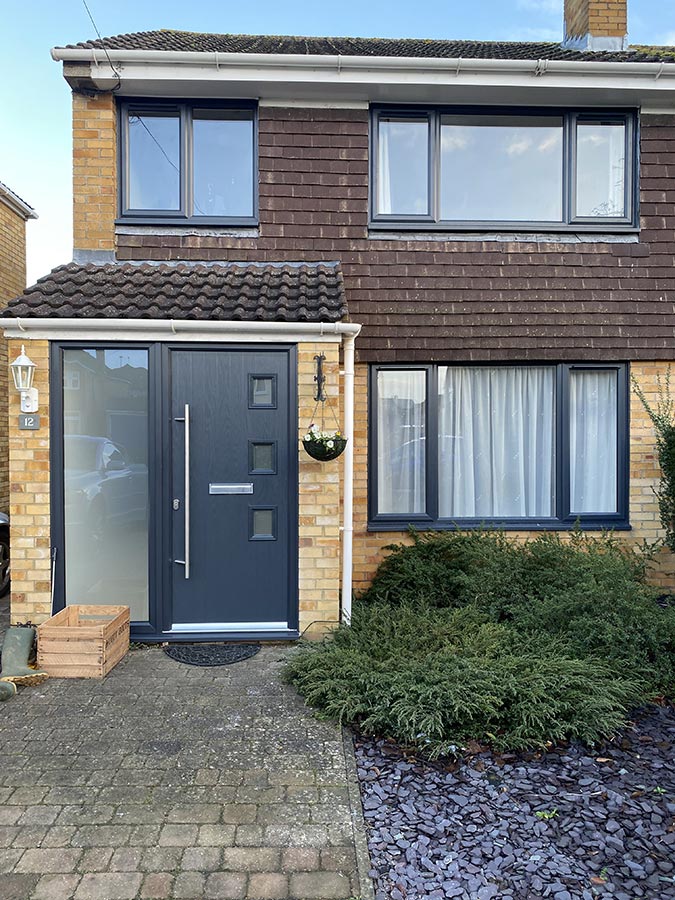
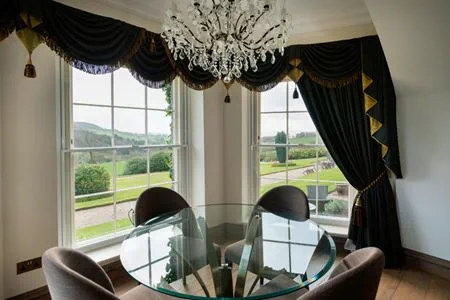
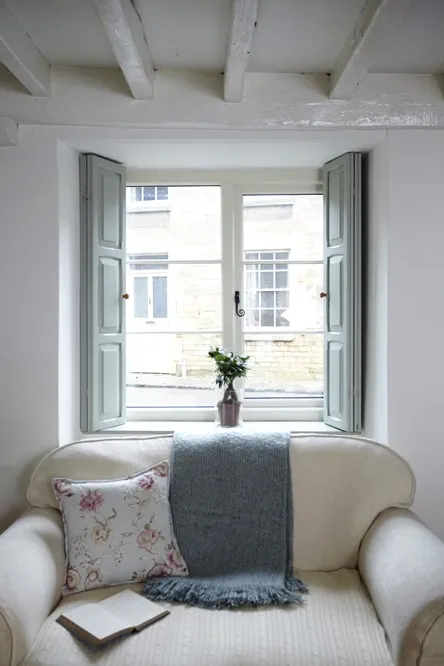
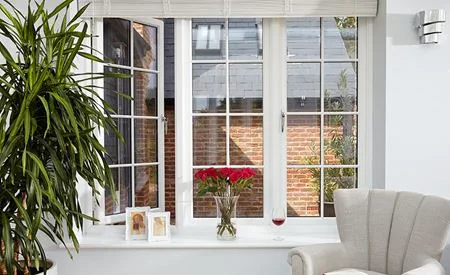
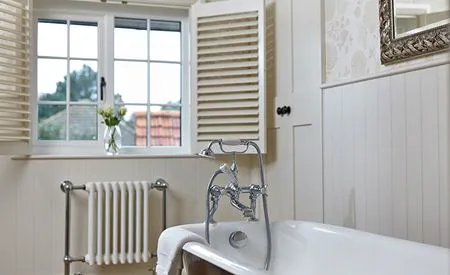
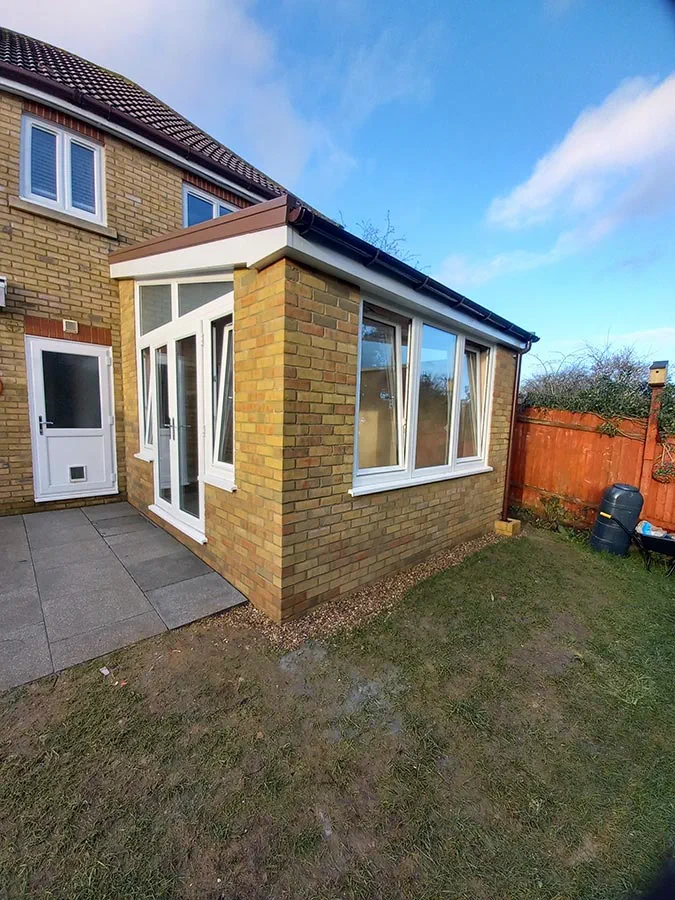
Anglian double glazed windows help keep your home warm, quiet and safe. Our double glazed uPVC windows, wooden windows and aluminium windows come in a variety of styles and colours to suit your home.
Our windows are Made in Britain with A++ to B energy performance ratings across the range of double glazing and triple glazing. Our top-performing A++ rated triple glazed windows are designed with energy-saving glazing technology to reduce heat loss even further.
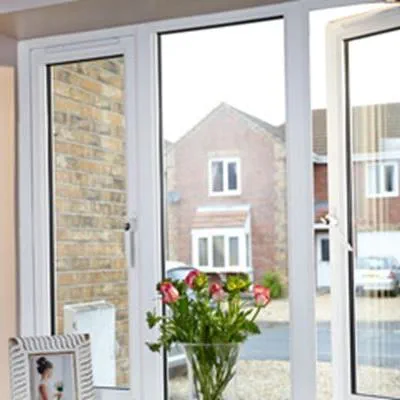
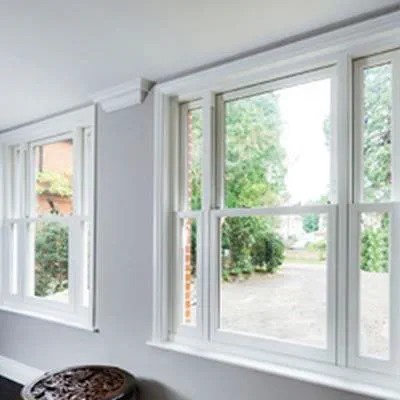
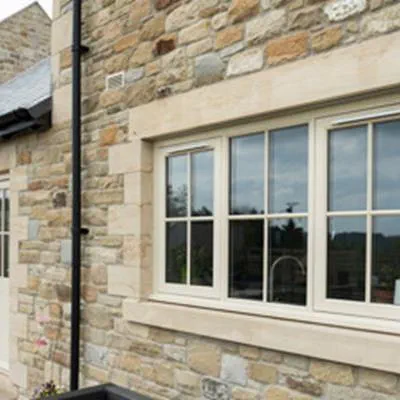
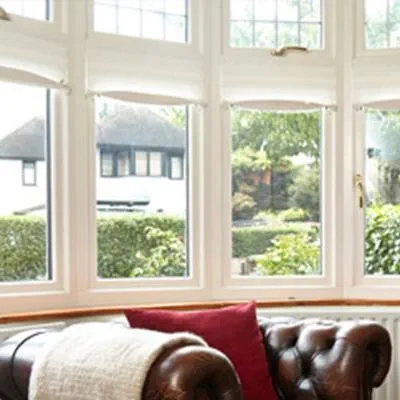
Find the right double glazing for your home from our extensive range of styles. Choose a classic casement, the timeless style of a traditional sash window or modern designer flush windows. Whatever you’re looking for, we’ve got the window style to suit you.
Choose from uPVC, wooden, or aluminium for your double glazed windows. Each material delivers boasts brilliant energy efficiency and security performance for a warmer and more secure home. Whether you're adding a new modern look or replacing like for like, our window materials are versatile and customisable to suit your needs.
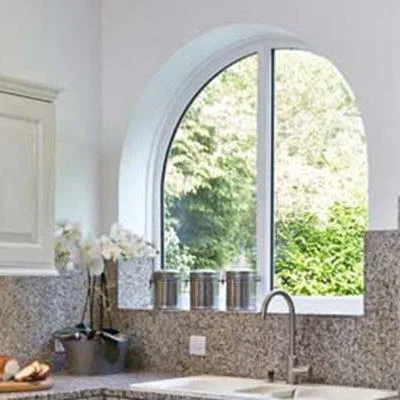
Explore the range of other glazing options we offer, including triple and secondary glazing. Replicate coloured glass or add some privacy with one of our obscure glass options. We also offer shaped windows with options including circular, triangular and even raked windows.
Our uPVC and Wooden windows have all been independently tested by the British Fenestration Rating Council (BFCR). When choosing your new double glazed windows, it’s important to know your options for energy efficiency. The ratings below show how our different window types perform.
BFRC Rating
The BFRC are the most trusted window and door energy performance assessors in the UK.
A++ energy rating
A+ energy rating
A energy rating
B energy rating
BFRC Rating
The BFRC are the most trusted window and door energy performance assessors in the UK.
We all want quality products at the best prices, and you deserve the best double glazed windows for your home. So, if you find cheaper like-for-like uPVC windows with another company within 7 days, we’ll match the price.
Anglian stands proudly as the UK’s Number 1 home improvement provider, installing bespoke double glazed windows across the country. Every year we help more customers improve their homes than anyone else.
Choose Anglian for a National Company Local to you
10-year Guarantee
A 10-year parts and labour guarantee is included in your Anglian double glazing price.
Made in Britain
Our products are made from start to finish in a British factory by skilled craftspeople.
Price Match
If you find cheaper like for like uPVC windows elsewhere, we'll match the price.
Our double glazing windows have energy ratings between B and A++. These are awarded by the British Fenestration Ratings Council, the most trusted ratings body in Europe.
Huge Range of Materials and Styles
Choose between three popular high-quality materials and a wide range of styles for your new windows. We help you create the perfect double glazed windows for your home.
Lengthy Guarantees Across Product Ranges
We offer an insurance-backed 10-year guarantee on parts and labour on all our frames and a 10-15-year guarantee on sealed glass units.
UK’s No. 1 Home Improvement Provider
Anglian stands proudly as the UK’s Number 1 home improvement provider. Every year we help more customers improve their home than anyone else.
Accreditations and Certificates
Our double glazed windows carry accreditations from over 12 industry bodies. We also have 12 BSI’s for quality across our ranges and several BBA certificates too.
Double glazing is a type of window glazing with two panes of glass within a uPVC, wood or aluminium frame. These two glass panes are separated by a “spacer bar”, usually made from an thermally-treated material. The gap between the glass is then filled with insulating inert gas. The most widely used gas is Argon.
Double glazing lets the sun’s heat in while helping keep cold air out
Inner pane of Low-E glass helps reflect warm air back into your room
Double glazing also helps reduce noise entering your home
Double Glazed Windows vs Sealed Glass Units
Double glazing is quite a niche subject at the best of times, with lots of terms to get your head around. What are sealed glass units and how is that different from a double glazed window?
Double Glazed Window
When we talk about double glazing, we usually mean the full window. This includes the glass, the frame and everything that goes into windows. Our 10-year guarantees refer to the frame, covering parts and labour.
Sealed Glass Unit
When we say sealed glazed unit, we mean the glass in the frame. This consists of a spacer bar, two glass panels, the void between filled with inert gas and an airtight seal around the edge. This unit goes into the frame and makes up a double glazed window.
Double Glazing Installation
Installing double glazing in your home couldn’t be easier with Anglian. We take care of everything from start to finish.
An Anglian design consultant helps you find the right windows for you, from material and style to colours and finishing touches. Once you’ve decided, you get a free no-obligation quote.
After agreeing the quote, our surveyor comes to measure precisely so we can manufacture your new double glazing to perfectly fit your home.
Once they’re ready, our installers fit your windows on a day that suits you. Our team show you how to use your new double glazing and make sure you’re happy.
10-Year GuaranteeFinance Options
See our Double Glazing in Real UK Homes
Get Inspired and Learn More about New Windows
How much does Double Glazing Cost?
Find out more about how the cost of double glazing depends on your needs and requirements.
On average, double glazing windows can last between 20- 25 years, with many lasting even longer. The lifespan of double glazing can be extended with proper care and maintenance, such as cleaning the frames and glass regularly and checking for any signs of wear and tear. Look for companies with long guarantees such as Anglian, as this can be a good sign of the expected lifespan.
How much does double glazing cost?
The cost of double glazing can vary depending on several factors, such as the size and type of the window, the material of the frame, the type of glass used and the installation costs. As a general guideline, the cost of double glazing for a standard-sized window can range from a few hundred to a few thousand pounds, depending on the above factors. But it's important to note that the cost can be higher for larger or more complex windows, or for windows made from premium materials.
Is triple glazing better than double glazing?
Triple glazing is generally more efficient at reducing heat loss than double glazing, but it may not always be necessary or cost-effective. The exact energy savings achieved by triple glazing will depend on a variety of factors such as the climate, the orientation of the windows, the building's insulation, and the efficiency of the heating and cooling systems in your home. In some cases, double glazing may be enough to meet energy efficiency standards, especially if you have other energy-saving measures such as wall insulation.
What does double glazing do?
Double glazing is a type of window that consists of two panes of glass with a small gap between them. The gap is filled with air or an insulating gas like argon. The two panes of glass act as a barrier to reduce the amount of heat that is transferred through the window. This provides increased insulation, which can help to reduce heat loss from your home and improve energy efficiency.
How does double glazing reduce heat loss?
Double glazing reduces heat loss through the window by creating a barrier that slows down the transfer of heat. Heat can transfer through a window in several ways, including conduction, convection, and radiation. The two panes of glass and the air gap between them work together to reduce the amount of heat that is transferred through the window. This means double glazing helps to keep your home warmer in the winter and cooler in the summer, which can result in lower energy bills and increased comfort.